Pharmacy Technician's follow-up helps patient trapped at home for two days
20th October 2026
An 83-year-old patient who had been trapped under fallen bedroom furniture at home for two days was found after a Pharmacy Technician followed up to check how he was managing his medication.
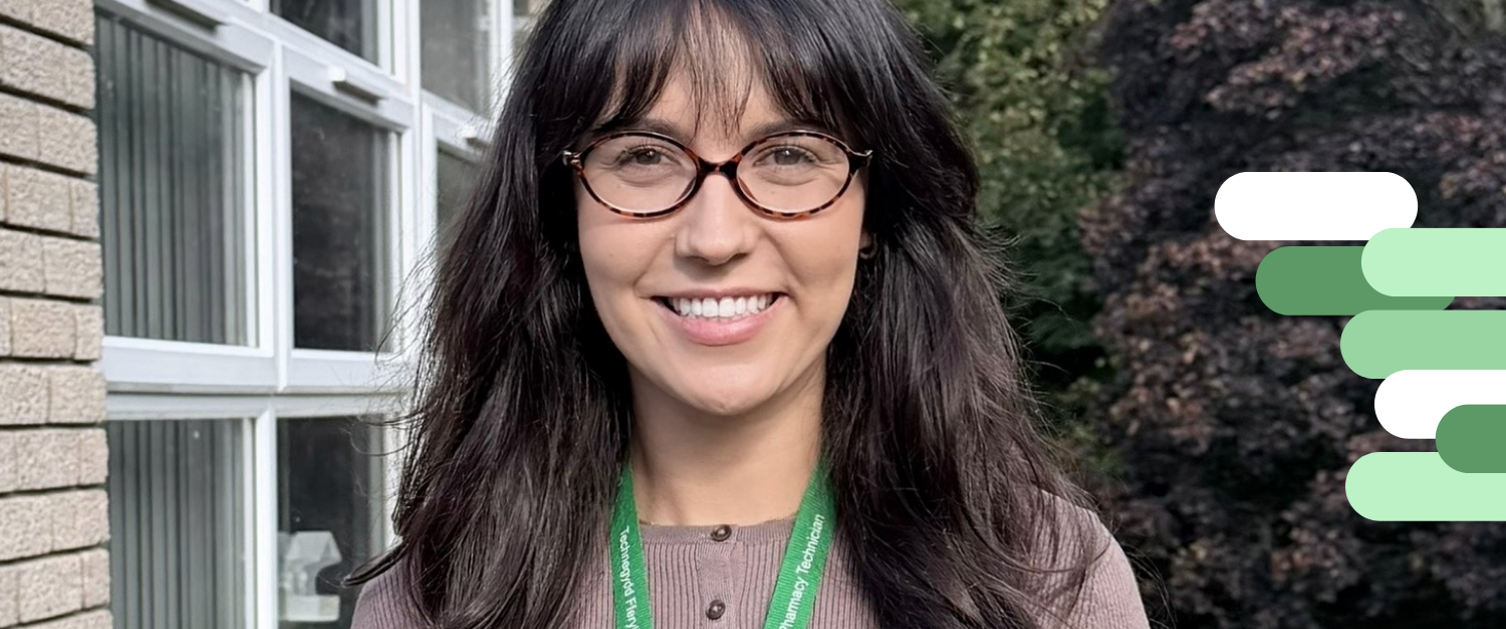
Kirstie Mayley, a Pharmacy Technician with Aneurin Bevan University Health Board’s Community Resource Team (CRT), had been supporting the patient with changes to his medication while he was receiving care at home.
Patients supported by the CRT are often acutely unwell and may be referred by their GP so they can receive treatment and support at home, helping to avoid unnecessary hospital admission where appropriate.
As part of her role, Kirstie contacted the patient to make sure he understood changes that had been made to his medication. However, during their conversation, she felt he seemed confused about his medicines and decided a home visit was needed.
When Kirstie visited, she realised he was finding it increasingly difficult to manage his medication independently.
Kirstie returned to his home to help with further medication changes and, once his medicines were stable, arranged for his local pharmacy to prepare and deliver a dosette box.
Through her visits, Kirstie got to know the patient and built a trusting relationship with him.
She said: “We’re all busy in the NHS and you don’t want to stay too long, but you don’t want to rush off either. You want to stay and have a little chat.”
After the patient was discharged from the CRT, Kirstie continued to follow up with him about his medication.
When she telephoned to see how he was getting on with his new dosette box, she couldn’t get an answer. Kirstie contacted the pharmacy and discovered they had also been unable to deliver his medication because nobody had answered the door.
Kirstie said: “Because I’d got to know him through my visits, I knew it wasn’t like him not to respond. I just felt that I needed to follow it up.”
Concerned for his welfare, Kirstie visited his home with a colleague, but again there was no answer. She contacted 101 and the police gained entry to the property, where the patient was found trapped beneath a fallen bedside cabinet.
He had been unable to free himself for two days. He was taken to hospital, where he is now stable.
Since losing his wife, the patient had continued to live independently and took pride in managing on his own. He had previously felt he didn’t need additional support, but Kirstie hopes that, following his ordeal, he may now feel more comfortable accepting a little extra help at home.
For Kirstie, the experience highlights the importance of getting to know the person behind the medication and taking the time to follow up when something doesn’t feel right.
What began as support to help one patient manage his medicines safely ultimately helped ensure he received the help he needed when he was at his most vulnerable.