Acute Soft Tissue Injury Management
P
Protection
In the first few days following an injury, the injured area should be protected from further damage. This does not mean that you should stop using it completely though. This might mean initially reducing the amount on weight you take through the injured area or how far you move the injured tissues.
OL
Optimal Loading
This describes the gentle motion gradual loading of tissues to stimulate their ability to accept load. You can start optimal loading while in the protection phase. You may need to use slings, crutches or braces to help.
I
Ice
Applying ice to an injured muscle or joint may help to manage swelling and can help decrease acute pain. Ice and cold packs should be wrapped in a soft cloth or towel to avoid direct contact with bare skin. Ice should not be used for more than 10 mins but can be repeated 2-3 times through the day.
C
Compression
Compression is thought to help control swelling by reducing blood flow. Compressing the injury can also make it feel better. Compression involves using a bandage to wrap the injured limb.
E
Elevation
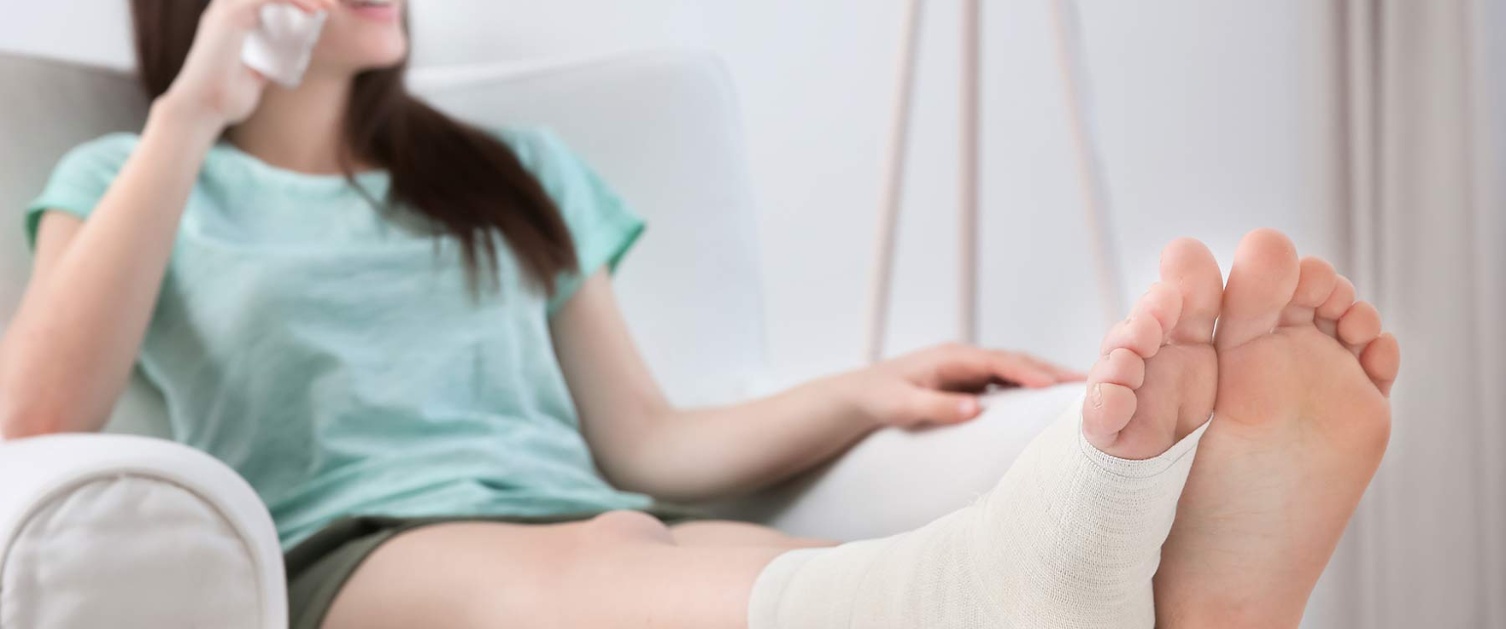
Elevation involves raising the limb above the level of the heart, again to reduce blood flow and to help with pain control. Elevation is simple for certain body parts. An injured ankle or knee can be placed on a stack of pillows while you are lying down. For elbow or wrist injuries, you will need to use something, such as a pillow or cushion, to elevate your entire arm.
Activity & Exercise
Keeping active and doing regular exercise is an essential part of your recovery and long-term management.
Being physically active throughout your recovery and beyond can:
- prevent a recurrence of the problem
- maintain your current levels of fitness – even if you have to modify what you normally do, any activity is better than none
- keep your other muscles and joints strong and flexible
- help you aim for a healthy body weight BMI calculator | Check your BMI – NHS | Please fill in your details
There is no activity or exercise that is better than another. There are some that we may prefer or some that just suit us better. Even at this time when access to normal exercise options may be limited, there are lots of possibilities to get your activity and exercise Exercise – NHS needs including online videos from the NHS Fitness Studio – Fitness Studio exercise videos – NHS
Find further Physical Activity Guidelines here Physical activity guidelines: infographics – GOV.UK