Malnutrition
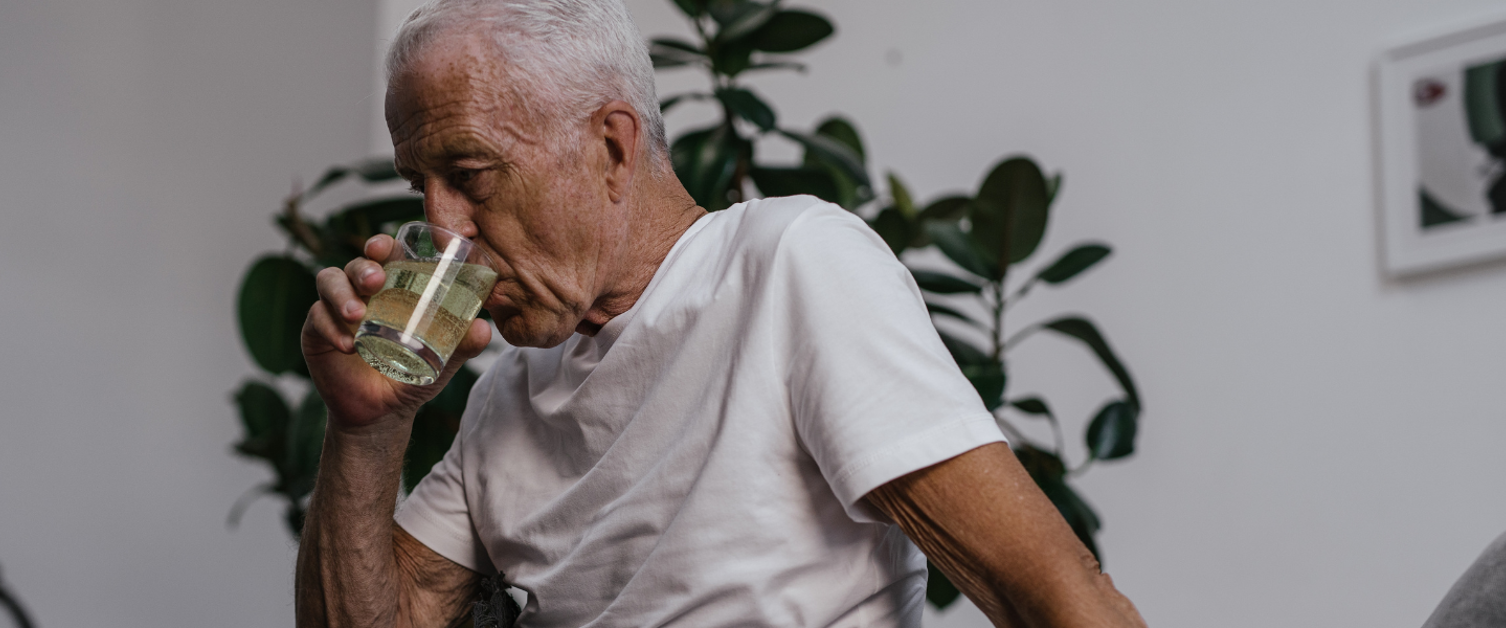
Older people in care homes are particularly vulnerable to malnutrition due to factors like reduced appetite, medical conditions, swallowing difficulties, and cognitive changes. Malnutrition can lead to:
- Increased frailty and risk of falls
- Slower recovery from illness or wounds
- Greater susceptibility to infections
- More frequent hospital admissions
Even when meals are provided regularly, some residents may still struggle to meet their nutritional needs. That’s why early identification and tailored support are essential.
How Dietitians Can Support You
Dietitians are HCPC registered and trained healthcare professionals who specialise in nutrition and can work alongside you to improve residents’ nutritional wellbeing. Their support includes:
- Helping you identify residents at risk using tools like the Malnutrition Universal Screening Tool (MUST)
- Creating personalised nutrition care plans that take into account medical needs, preferences, and abilities
- Providing training and guidance to help you spot early signs of malnutrition and understand how to respond
- Working with catering teams to ensure meals are nutritious, appealing, and suitable for residents’ needs
Dietitians also help monitor progress and adjust care plans as needed, ensuring that interventions are effective and sustainable.
Nutrition is everyone’s responsibility—and when care staff and dietitians work together, the impact can be life-changing. By embedding good nutritional practices into daily routines, you help residents stay stronger, healthier, and more independent for longer.
If you ever have concerns about a resident’s eating habits, weight, or overall health, don’t hesitate to reach out to your local dietetic service. Together, we can make sure every resident receives the nourishment and care they deserve.
Please see the following links for tips to support your resident's nutrition and hydration needs and manage their risk of malnutrition